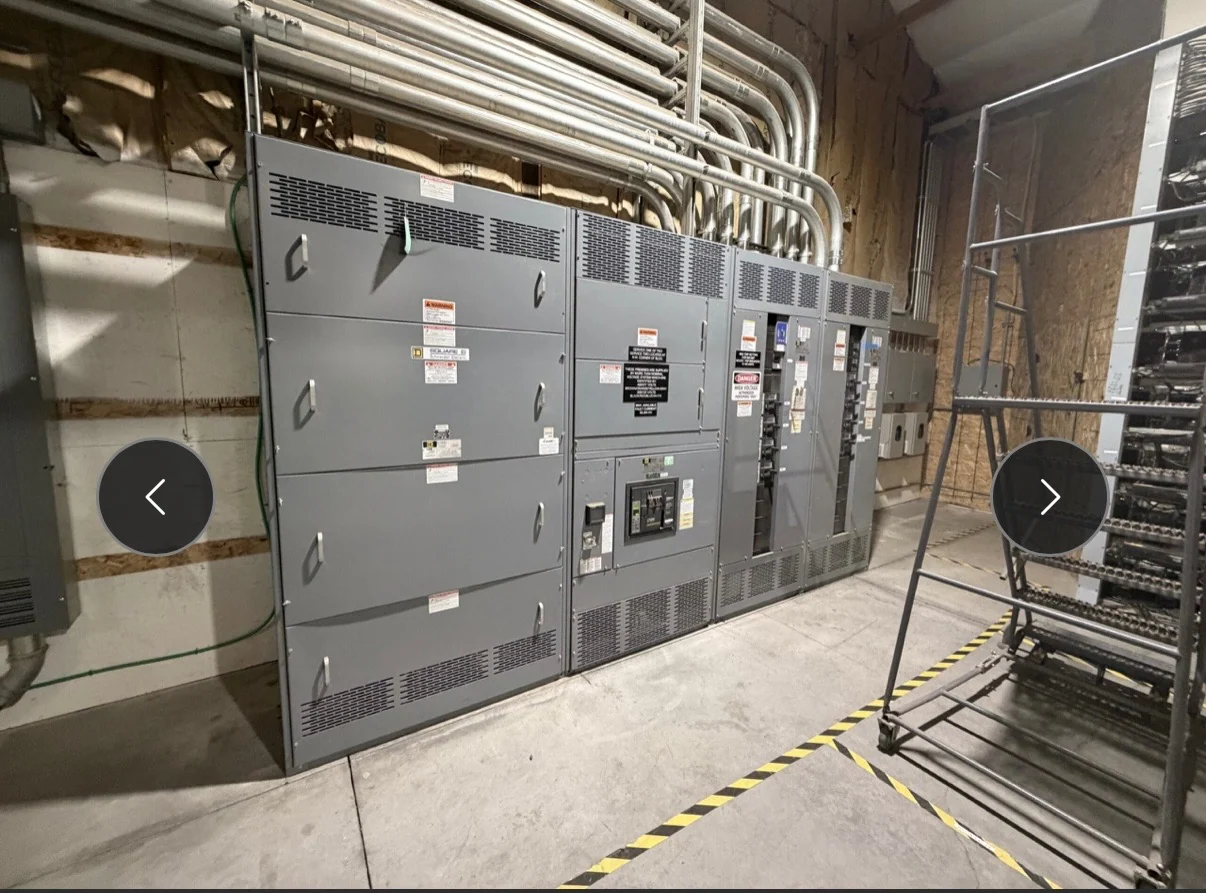
Start with the Healthcare Distribution Strategy
A healthcare backup-power project in Wichita, Kansas begins with the facility electrical distribution strategy, not with a catalog label. The design team should identify normal sources, alternate sources, service voltage, phase and wire configuration, grounding method, available fault current, and the physical route from incoming service to essential branches. Those inputs determine whether the requested package involves switchgear, a switchboard, transfer equipment, or coordinated combinations. A manufacturer can then translate the approved one-line diagram and equipment schedule into new custom-built electrical equipment rather than guessing from a general product description. Early decisions about source separation and maintainable access also prevent a quote from overlooking room layout constraints.
Separate Essential Loads by Function
Essential healthcare loads should be grouped by their operational role and required continuity. Examples may include life-safety systems, critical clinical circuits, equipment supporting patient care, medical support systems, communications, fire protection, and selected building services. The electrical engineer and facility team should document which loads transfer automatically, which may be shed, and which require delayed restoration. That load schedule affects feeder count, breaker arrangement, metering, control wiring, bus capacity, and available space. It also gives a switchgear manufacturer a defensible basis for configuring distribution and transfer interfaces for the specific project. Marking future feeders separately from required loads can preserve a clear commissioning and operating plan.
Define Transfer Sequences and Interlocking
Transfer equipment is only useful when its operating sequence is explicit. Project documents should state how the system detects loss or unacceptable quality on the normal source, starts or signals the alternate source, confirms source availability, transfers priority loads, handles retransfer, and responds to a source failure during transition. Main, tie, and feeder interlocks must be coordinated with the intended sequence so an operator cannot create an unintended connection between sources. Control schematics should identify permissives, alarms, test positions, remote indications, and manual controls, with the final logic reviewed by the responsible electrical and controls professionals. A written sequence should also address testing without disrupting patient-care operations.
Plan Around Outages and Installation Interfaces
Healthcare replacement or expansion work requires an outage plan that is separate from the equipment quote. The project team should identify temporary power responsibilities, shutdown boundaries, switching authority, access restrictions, delivery path, rigging points, room clearances, cable entry, grounding connections, and acceptance activities. Existing drawings, field dimensions, nameplate data, and photographs can reveal interfaces that a new one-line diagram does not show. A custom builder can use that information to develop enclosure layouts, shipping sections, terminal locations, and documentation for coordination with the engineer, electrical contractor, facility operator, and qualified commissioning personnel. Confirming who supplies field terminations and control connections helps keep the installation scope unambiguous.
Confirm Applicable Requirements for the Project
Healthcare electrical equipment must be specified against the requirements that actually govern the project, including the adopted electrical code, authority having jurisdiction, utility conditions, facility standards, environmental exposure, and any owner testing or documentation criteria. If a low-voltage switchboard assembly is being considered under UL 891, its applicability, construction requirements, and any project-specific listing or verification must be confirmed before the design is finalized; UL 891 should not be assumed for every switchgear arrangement. Protection, coordination, grounding, labeling, seismic details, and functional testing should likewise be assigned to the responsible design team and documented in the submittal package. Requirements should be resolved before fabrication drawings are approved.
Request a Manufacturer-Built Equipment Package
For a useful quote, send the manufacturer the project location, one-line diagram, load schedule, source information, required ratings, enclosure environment, dimensions, cable entry preferences, transfer sequence, interlocking narrative, metering needs, control voltage, drawings, inspection expectations, and shipping constraints. Switchgear Builders manufactures new electrical switchgear in the United States, builds custom to specification, uses American components, and supplies equipment for nationwide shipping. The final configuration, applicable requirements, documentation, and delivery estimates must be reviewed against the approved healthcare project scope. Ask for inclusions, exclusions, approval milestones, and shipping assumptions in writing so the purchasing team can compare proposals consistently.