Start With the Treatment Process and Site Duty
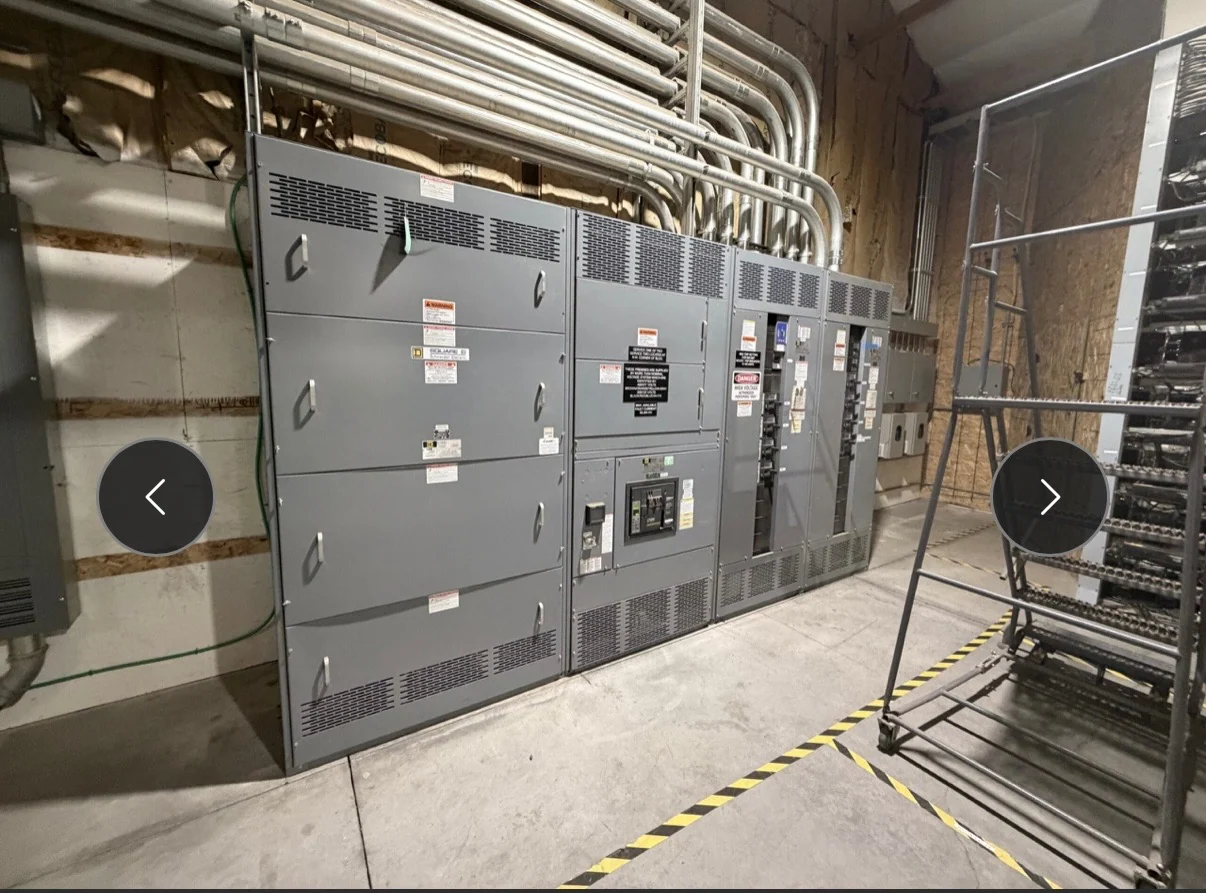
New Orleans Louisiana switchgear planning for a water-treatment project should begin with the process sequence, not a preferred enclosure or starter. Identify each pump, blower, mixer, chemical-system load, and auxiliary circuit; record normal and starting current, duty cycle, standby relationships, and the consequence of losing a device. A new motor control center can then be organized around the actual distribution arrangement, operating priorities, and maintainability goals for that particular site. Distinguish continuously running equipment from intermittent or standby loads, and identify whether a pump must start automatically, manually, sequentially, or only after a permissive is present. That distinction affects starter grouping, control logic, spare provisions, and the information needed for commissioning.
Choose Motor Starting Around the Load
Motor starting affects feeder sizing, voltage behavior, mechanical stress, and the way operators experience a process start. Across-the-line starters may suit some smaller or uncomplicated loads, while reduced-voltage methods or variable frequency drives may be considered when acceleration, speed control, or process sequencing calls for them. The correct choice depends on motor data, pump curve information, driven equipment requirements, starting frequency, utility conditions, and the engineer’s coordination review rather than a generic product category.
Evaluate Drives, Heat, and Harmonics
Variable frequency drives can provide adjustable motor speed and controlled acceleration, but they introduce design questions that belong in the equipment specification. Review drive input and output requirements, bypass expectations if applicable, heat dissipation, ventilation, cable routing, grounding, control interfaces, and harmonic effects on the distribution system. For a custom motor control center, the manufacturer can build around the approved arrangement using American components and document the selected devices, while project engineers confirm compatibility and settings. Ask whether each drive will be installed in the lineup or supplied as a coordinated separate assembly, and define who owns parameter files, startup settings, bypass logic, and interface testing. A written responsibility matrix prevents assumptions about field wiring and avoids treating a drive selection as a substitute for a complete system study.
Account for Environmental and Room Conditions
A water-treatment location may expose electrical equipment to moisture, condensation, washdown, corrosive agents, temperature variation, or restricted access, but the relevant conditions must be measured and specified for the individual installation. Confirm indoor or outdoor placement, enclosure requirements, elevation, ventilation, available working space, cable-entry direction, housekeeping pads, anchorage, and lifting or moving paths. These inputs influence layout and material decisions for new equipment shipped nationwide from an American manufacturer.
Define Controls, Interlocks, and Communications
Controls should describe what the process must do, how it should respond to permissives and faults, and which signals must reach a supervisory system. Provide the intended auto, hand, local, and remote behavior; emergency-stop philosophy; level or pressure interlocks; alarm contacts; run and trip indication; network protocol; and terminal requirements. A clear cause-and-effect document helps the switchgear builder separate power and control functions, label wiring consistently, and resolve open points before fabrication. State which signals are hardwired and which travel over a network, identify fail-safe states, and explain what happens after a communication loss or power restoration. Operators and integrators should review terminology and alarm priorities so the finished controls reflect the treatment process instead of merely reproducing a generic motor starter diagram.
Prepare a Complete Custom-Build Inquiry
For a useful quote on custom switchgear or a motor control center, send the one-line diagram, motor schedule, available fault-current information, system voltage and frequency, enclosure location, dimensions, feeder list, control schematics, communications requirements, applicable specifications, and shipping destination. Include existing interface drawings when the new lineup must connect to other equipment. Switchgear Builders manufactures new electrical equipment in the United States, builds to the approved project scope, uses American components, and ships nationwide; project-specific ratings, documentation, testing, and any requested standard applicability must be confirmed before release. Also identify the expected installation responsibility, receiving constraints, unloading equipment, preferred split points, and the people authorized to approve drawings. A disciplined submittal review should close dimensional, electrical, control, and documentation questions before fabrication, while any field changes remain subject to qualified engineering review and the project’s written change process.