Start with the critical-load definition
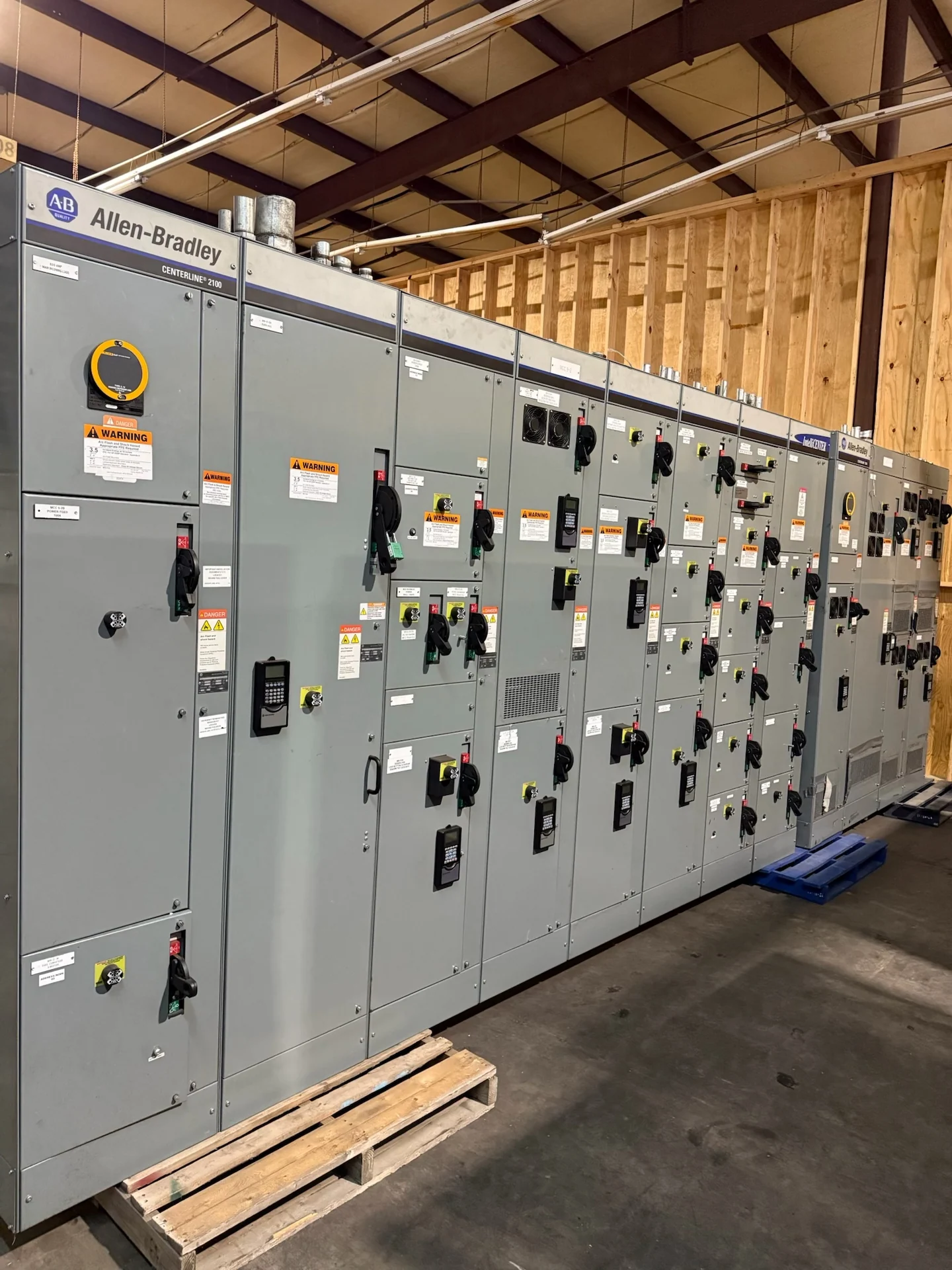
A New Orleans facility considering automatic transfer switches should begin by identifying which loads truly require alternate-source power and what interruption each load can tolerate. Emergency lighting, life-safety systems, communications, process controls, pumps, and other critical loads may have different priorities. The one-line diagram should show normal and alternate sources, load groups, feeder paths, grounding arrangement, and the intended location of each transfer function. That information gives a manufacturer a sound basis for a new custom switchgear or distribution package rather than a generic device selection.
Define source capacity and fault duty
Source capacity is more than the nominal load total. The design team should provide calculated demand, motor-starting effects, non-linear loads, transformer information, generator capability, and any planned load-shed stages. Available fault current, voltage, frequency, phase, and grounding details also affect protective-device selection and assembly requirements. For a manufacturer quote, identify the desired continuous current, interrupting or withstand duties as applicable, and source limitations. These inputs support coordination between the automatic transfer switch, upstream protection, downstream feeders, and the new equipment enclosure.
Specify the transfer sequence
The operating sequence should state what happens when normal power falls outside the project-defined limits, how a start signal reaches the alternate source, when the transfer is permitted, and how retransfer occurs. Decide whether the application calls for open transition, closed transition, delayed transition, bypass-isolation, or another arrangement after qualified engineering review. Include time delays, inhibit conditions, manual controls, source-available logic, load shedding, and failure alarms. A clear sequence prevents assumptions and lets Switchgear Builders build controls, interlocks, terminals, and documentation around the requested operation. Also identify who may initiate a manual transfer, what alarms require acknowledgement, and how source testing will be isolated from normal facility operations.
Coordinate enclosure and installation interfaces
Physical planning matters when equipment will enter an existing electrical room or a constrained service area. Provide available wall space, access routes, working clearances, cable-entry direction, conductor bending space, ventilation needs, equipment height limits, and anchorage information. For a Louisiana project, the engineer should also define the applicable indoor or outdoor environmental conditions, moisture exposure, corrosion concerns, elevation, and site-specific requirements rather than relying on a city name alone. The manufacturer can then review dimensions, shipping sections, lifting provisions, and connection interfaces for a custom new assembly.
Build documentation into the quote
A useful request for automatic transfer switches for critical facility loads should include the one-line diagram, load schedule, source data, control narrative, specifications, floor plans, conduit or cable schedules, and required submittal format. State whether metering, remote indication, communications, event records, bypass features, or auxiliary contacts are required; each should be confirmed against the project design. Ask for an itemized scope identifying equipment, controls, drawings, inspection points, test records, and shipping assumptions. This makes technical and commercial comparisons more meaningful without assuming a particular feature is included.
Plan review, testing, and delivery
Before release for fabrication, the project team should review the approved drawings, device data, terminal points, labels, interlocks, and transfer sequence against the installation and commissioning plan. Define factory inspection and electrical or functional checks in advance, with acceptance criteria and witness responsibilities documented for the project. If UL 891 or another standard is specified, confirm its applicability, scope, and any listing or verification requirements for the particular assembly; do not assume the standard applies to every transfer arrangement. Switchgear Builders manufactures new custom equipment in the United States, uses American components, and ships nationwide, while project-specific availability, scope, and transit details must be confirmed in the inquiry.