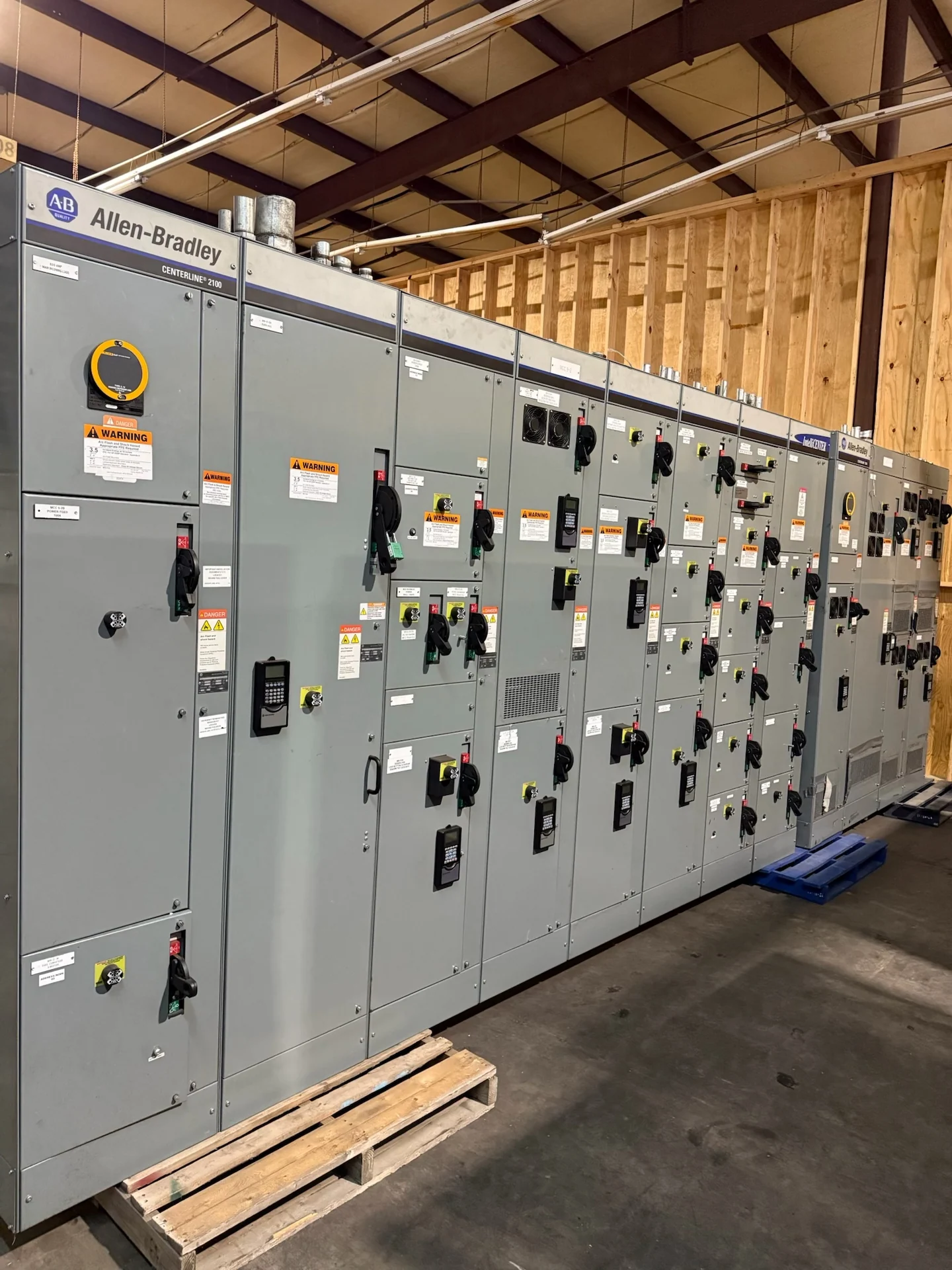
Start with the Healthcare Power-System Scope
A Boston healthcare backup-power project should begin with the electrical system that must remain available, not with a preferred switchgear name. The design team can identify normal and alternate sources, service voltage, phase arrangement, grounding method, available fault current, calculated loads, and the physical point where new distribution or transfer equipment connects. That information lets a manufacturer distinguish a source-transfer assembly from downstream distribution switchgear and identify interfaces that require review by the engineer of record, utility, authority having jurisdiction, and installation contractor. Include the intended operating modes for normal operation, generator exercise, emergency operation, and maintenance so controls and labeling can be reviewed against the same assumptions.
Separate Essential Loads by Function
Healthcare facilities rarely have one uniform backup load. Life-safety, critical, equipment, and other project-defined branches may require different transfer behavior, feeder routing, monitoring, or selective coordination objectives. Prepare a load schedule showing each branch, demand assumptions, motor starting characteristics, nonlinear loads, medical equipment interfaces, and any planned growth. A clear schedule also reveals whether the proposed lineup needs multiple mains, transfer sections, distribution breakers, bypass provisions, or control signals, while leaving final requirements to the project engineering review. Note which loads are continuous, intermittent, or motor-driven, and identify any equipment that cannot tolerate even a brief interruption during the planned transfer sequence.
Define Transfer Sequences Before Fabrication
Transfer equipment is governed by operating sequence as much as by enclosure dimensions. Document how normal-source failure is detected, how a generator or alternate source is started or made available, which loads transfer first, how retransfer occurs, and what happens during source testing or maintenance. Identify open-transition or another project-specified transition strategy, permissive signals, electrical or mechanical interlocks, time delays, bypass arrangements, and alarm points. Written sequence-of-operations documentation gives the manufacturer a practical control reference instead of requiring assumptions. Also identify manual controls, remote contacts, generator communications, alarm annunciation, and test modes that the installation team expects to operate or observe.
Coordinate Ratings, Protection, and Interconnections
A manufacturer quote for healthcare backup power switchgear should be based on coordinated electrical data rather than amperage alone. Provide nominal and maximum system voltage, continuous current, short-circuit information, source characteristics, breaker or switch duties, bus requirements, grounding and bonding details, enclosure environment, metering points, and protective-device preferences. The engineer should review time-current coordination, arc-flash study inputs, selective operation, generator contribution, and available fault current. If UL 891 may apply to a switchboard portion, confirm its applicability and any project-specific listing requirements before the equipment scope is finalized. Keep the study basis aligned with the equipment schedule, because a change in source contribution or protective-device selection can affect interrupting duty, bus bracing, and coordination conclusions.
Plan the Boston Site Interface
For a Boston project, document the equipment-room conditions and installation responsibilities that affect the final lineup arrangement. Confirm the electrical-room dimensions, working clearances, equipment access route, floor and wall penetrations, cable entry direction, ventilation, environmental exposure, seismic or anchorage criteria if specified, and restrictions on outage work. Record shipping splits, section weights, lifting points, and receiving responsibilities early. These details help a manufacturer develop a buildable lineup and help the contractor coordinate rigging, termination, testing, and energization activities with the site team. Include delivery access limitations, floor loading information when available, and the planned sequence for removing or isolating equipment so the installation plan can be reviewed safely by qualified project personnel.
Request New Equipment Directly from the Manufacturer
Switchgear Builders manufactures new electrical switchgear in the United States, builds custom equipment to specification, uses American components, and supplies projects with nationwide shipping. For a project-specific inquiry, send the one-line diagram, load schedule, sequence of operations, equipment schedule, dimensions, site conditions, required drawings, testing expectations, and destination. The proposed scope can identify assumptions, exclusions, component selections, documentation, shipping responsibilities, and review milestones; the quote should also clarify any open commercial and technical questions. A complete inquiry may also include preferred breaker identification, terminal arrangements, control-voltage assumptions, nameplate data, spare provisions, and the format required for final drawings and test records.