Start with the protection duty
Choosing between a circuit breaker and a fuse begins with the circuit's actual duty, not with a preference for one device type. The design team should establish system voltage, continuous load, available fault current, frequency, phase arrangement, grounding method, and the location of each protective device. A breaker can interrupt a fault and then be reset or serviced according to its design, while a fuse interrupts through a melting element and requires replacement after operation. Those different operating methods affect enclosure layout, spare-parts planning, outage procedures, and the way an equipment lineup is specified. For a new switchgear assembly, these inputs should be fixed on the one-line diagram and equipment schedule before a manufacturer prepares a detailed configuration or quote.
Compare interruption and current limitation
Fuses and circuit breakers can both provide overcurrent protection, but their time-current behavior and current-limiting characteristics must be reviewed from actual device data. A fuse may clear a high fault rapidly and can limit let-through energy in an appropriate application. A breaker may provide adjustable long-time, short-time, instantaneous, or ground-fault functions when its design supports those features, allowing settings to be coordinated with upstream and downstream devices. Neither general statement replaces a fault-current study or coordination review. The engineer should compare interrupting capability, short-circuit ratings, clearing times, inrush behavior, and the consequences of the selected curve at every relevant voltage and fault location.
Evaluate coordination and selectivity
Selective coordination is a system objective: the protective device nearest the fault should operate when practical while upstream circuits remain energized. Breaker trip units can offer setting flexibility, but that flexibility introduces adjustment, documentation, and verification responsibilities. Fuses have defined characteristics that may simplify some coordination studies, although available fuse classes, ratios, and upstream device relationships still require careful analysis. Designers should compare time-current curves, withstand limits, transformer inrush, motor starting, and feeder length rather than choosing from a device label alone. The final protection scheme should identify settings or fuse types, indicate who will verify them, and preserve the approved information in the switchgear documentation package.
Plan operation and maintenance
Operating philosophy often determines whether a breaker or fuse arrangement fits the facility better. Breakers can support switching and testing procedures that depend on their mechanism, ratings, interlocks, and control circuits; fuses call for an intentional replacement process, correctly matched replacements, and safe access designed around the enclosure. Both choices require qualified personnel, isolation procedures, and an evaluation of arc-flash and maintenance tasks by the responsible electrical professionals. Consider the frequency of switching, the criticality of the load, space for spares, indication and metering needs, remote controls where specified, and the training required to return a circuit to service. A lower purchase complexity does not necessarily mean lower lifecycle coordination effort.
Translate the choice into a switchgear layout
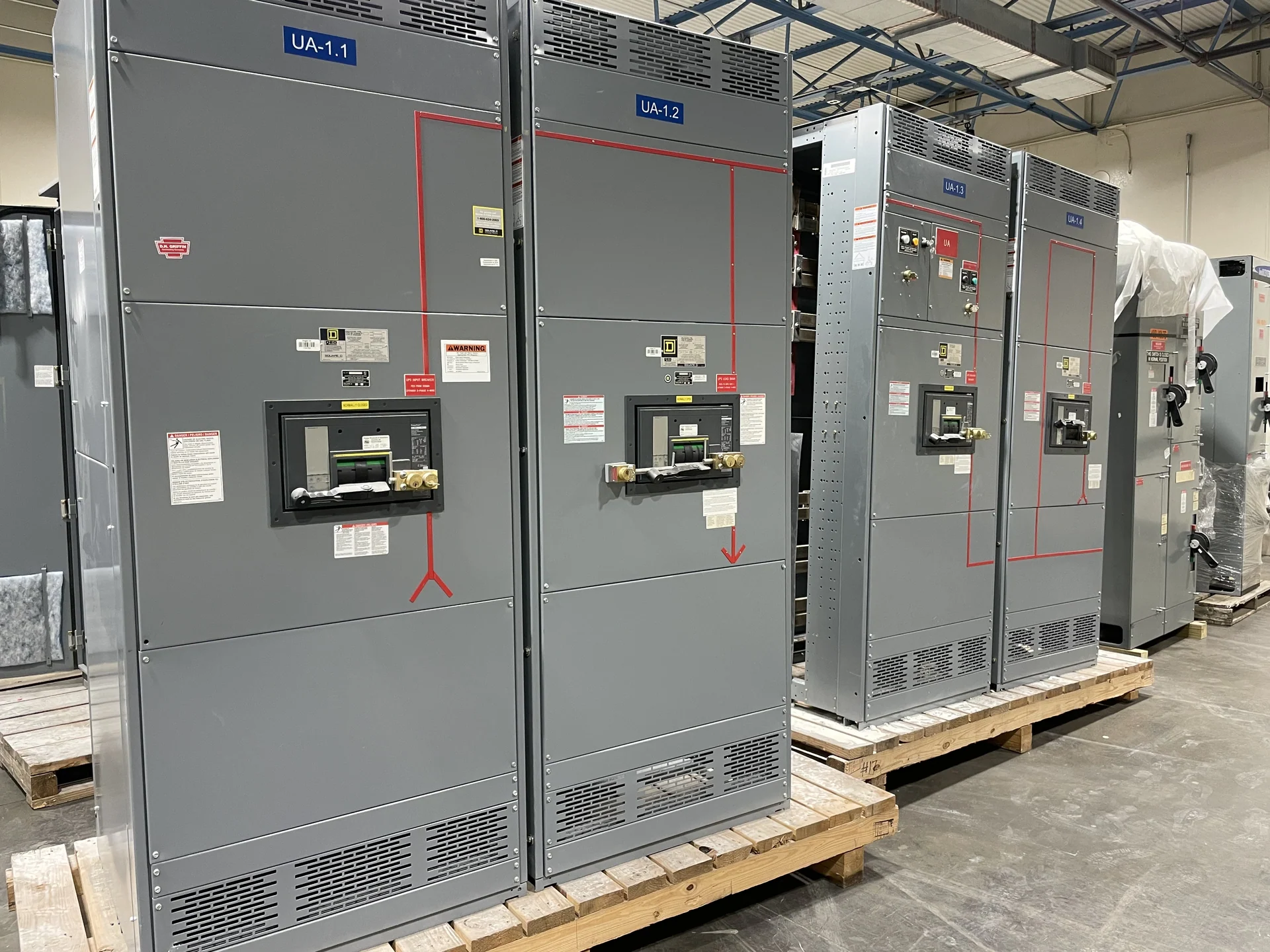
The device decision changes more than the bill of materials. It can affect compartment dimensions, bus connections, cable termination space, heat dissipation, access panels, control wiring, labeling, and the sequence for installation and testing. A custom switchgear manufacturer needs the approved one-line diagram, feeder schedule, device preferences, ratings, enclosure environment, dimensions, incoming and outgoing cable information, metering requirements, control voltage, interlocking logic, and documentation expectations. If a project permits either technology, ask the engineer to identify acceptable alternates and the conditions for substitution before fabrication begins. Any project-specific standard or listing requirement, including possible UL 891 applicability for a switchboard assembly, must be reviewed and confirmed rather than assumed.
Prepare a manufacturer quote request
A useful request for a new switchgear quote should explain the protection intent as clearly as the physical equipment. Include the latest drawings, calculated fault information, load and coordination studies when available, source and feeder details, required breaker or fuse functions, space constraints, environmental conditions, shipping destination, installation responsibilities, and the records expected at delivery. Switchgear Builders manufactures new electrical switchgear in the United States, builds custom to specification, uses American components, and supplies equipment with nationwide shipping; the project team should still confirm the exact component selection, configuration, documentation, shipping terms, and any applicable requirements for the specific order. Consistent inputs make it easier to compare a breaker-based design with a fuse-based alternative without treating either as universally superior.