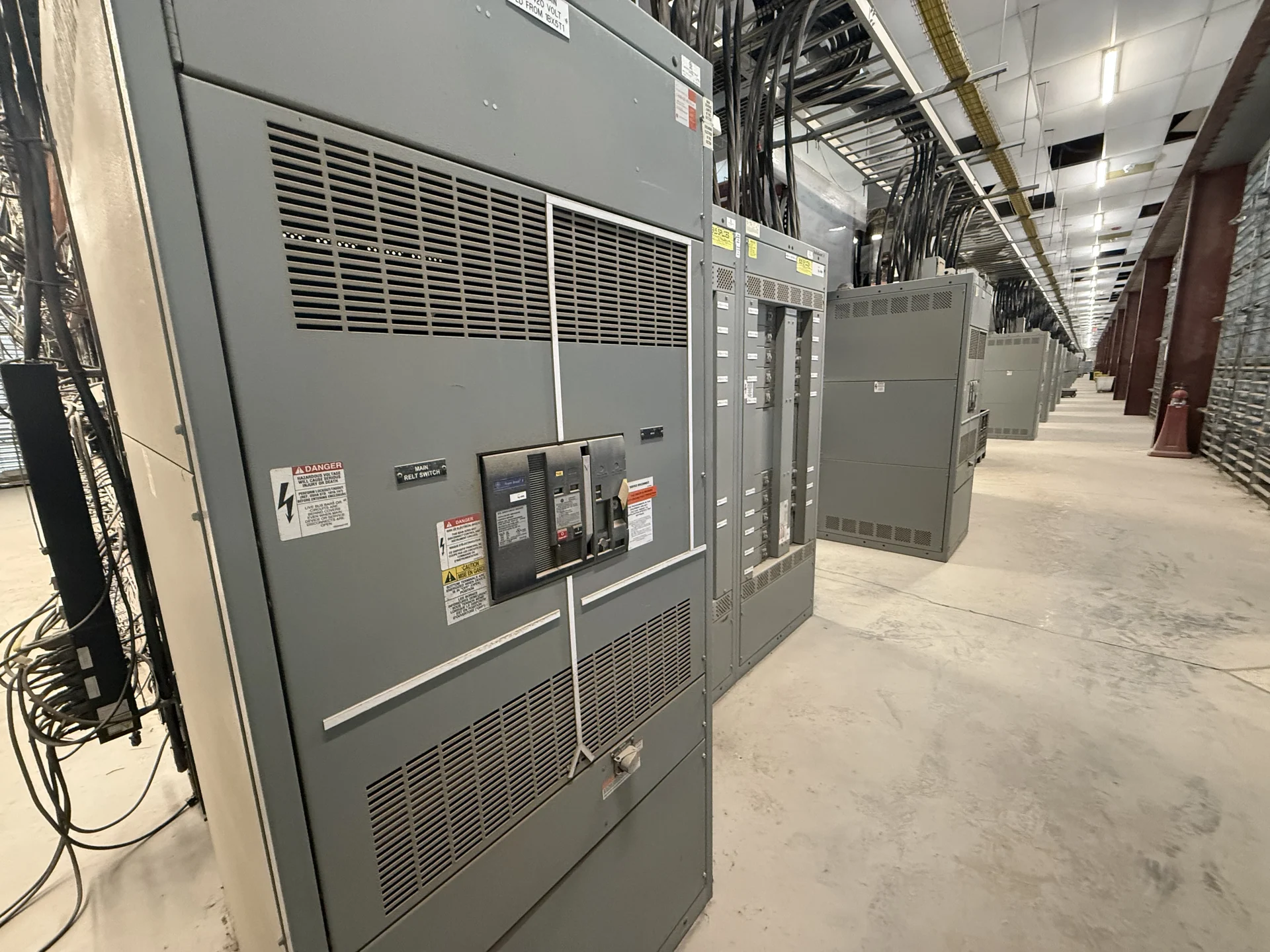
Start with the Equipment Definition
Metal-clad and metal-enclosed switchgear are related terms, but they do not describe the same construction in every project. Metal-clad equipment generally refers to a coordinated assembly with defined metal barriers or compartments that separate major functions, such as the bus, switching device, cable connections, and control sections. Metal-enclosed is a broader description for electrical equipment contained within a metal enclosure; the internal arrangement, barriers, switching method, and access provisions still require review. A useful switchgear guide therefore begins with the project one-line diagram, voltage class, fault duty, operating sequence, and governing specification rather than choosing a label from a product list. Switchgear Builders manufactures new equipment custom to those inputs, with American components and nationwide shipping, subject to project confirmation.
Compare Compartments and Barriers
The most important construction question is what separates energized parts and how those separations affect inspection, operation, and maintenance. For a metal-clad specification, ask whether the lineup defines compartments for the main bus, switching device, cable termination area, and low-voltage controls, and verify barriers, shutters, doors, and interlocks as separate details in the drawings. For metal-enclosed equipment, identify which barriers are provided, which portions share a compartment, and what access requires de-energization or a defined operating procedure. Review the physical interfaces around cable entry, grounding conductors, instrument transformers, and control wiring; a metal exterior alone does not answer those questions.
Match the Construction to Electrical Duty
Selection must connect construction with electrical requirements. Confirm nominal system voltage and equipment voltage class, continuous current, available fault current, interrupting duties for protective devices, short-circuit withstand expectations, insulation coordination where applicable, grounding method, and phase or wire configuration. A metal-clad versus metal-enclosed comparison should also examine the selected breaker, switch, fuse, or other interrupting device and its operating mechanism. These choices influence bus arrangement, clearances, cable compartments, control power, and interlocking. The engineer of record should establish the protection and coordination basis; the manufacturer can then translate the approved requirements into a new custom lineup and identify information still needed for a firm quotation.
Review Access, Interlocks, and Maintainability
Two assemblies with similar external dimensions can create very different service procedures. Confirm whether switching devices are fixed or removable, what position indications are provided, how mechanical and electrical interlocks prevent unintended operations, and how personnel reach terminations, fuses, controls, and grounding points. Check working clearances, door swing, rear or front access, lifting provisions, cable bending space, and the route for moving sections into the room. These are electrical distribution planning issues as much as enclosure issues. The final drawings should show the agreed arrangement and operating sequence, while the installation team should verify room dimensions, anchorage, cable routes, and field responsibilities before release.
Define Standards and Project Evidence
A project specification should state the applicable construction standard, tests, documentation, environmental conditions, and acceptance criteria instead of relying on the words metal-clad or metal-enclosed alone. Ask which construction features must appear on certified or approved drawings, what routine electrical and mechanical checks are expected, and which records accompany shipment. UL 891 may apply to a particular switchboard or assembly, but its applicability, construction requirements, and any listing or project-specific evidence must be confirmed for the actual design; it should never be assumed from a general product name. Resolve utility rules, local requirements, seismic or outdoor conditions, and arc-flash study inputs with the responsible professionals before fabrication.
Prepare a Comparable Manufacturer Inquiry
For a useful quote, send the one-line diagram, equipment schedule, system voltage and frequency, current and fault-duty information, source and feeder count, protective-device preferences, enclosure location, cable entry direction, dimensions, control voltage, metering, communications, interlocks, required drawings, testing, shipping destination, and desired commercial terms. State whether the inquiry calls for metal-clad construction, metal-enclosed construction, or an engineered comparison, and explain the reason for that preference. A direct manufacturer review can then identify trade-offs without treating the two labels as interchangeable. Switchgear Builders supplies new American-built equipment custom to project requirements and ships nationwide; scope, components, documentation, applicable standards, and delivery expectations remain subject to written project confirmation.